


Raw & Unfiltered: The Truth About Real North Country Honey
Walk down the honey aisle, and almost every jar looks the same: golden, smooth, and clear. But squeeze past the bear-shaped bottles, and you’ll usually find a very different kind of jar—cloudier, thicker, sometimes even solid. That’s raw, unfiltered honey, nd it’s a different product from what most grocery shelves are stocked with.
At LoPro, we source honey from North Country beekeepers, and this guide breaks down what raw unfiltered honey actually is, what it does (and doesn’t) do for your health, how to tell if the honey you’re buying is the real thing, and where to find genuine local apiary honey in Potsdam and the surrounding North Country.

The Quick Answer: What’s the Difference?
Raw honey is honey as it comes out of the hive: strained just enough to remove bee parts and large debris, but minimally heated (if at all) and never fine-filtered. It keeps its natural pollen, propolis, and enzymes intact.
Filtered honey (what most stores call “regular” or “pure” honey) is commonly heated to make it easier to process, then pushed through the fine filters that strip out the pollen, wax, and other particles. That’s what gives it a clear, uniform look and a longer shelf life without crystallising. The tradeoff is that heating and fine filtration can also reduce the amount of some naturally occurring enzymes and antioxidants.
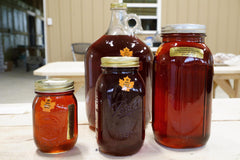
The fastest way to tell them apart: raw, unfiltered honey looks cloudy, feels thick, and will eventually crystallise. Filtered honey generally stays clear and smooth much longer, since heating and filtration can slow down crystallisation—though the honey’s natural sugar balance also affects how quickly it crystallises.

What’s Actually in the Jar?
|
Feature |
Raw Unfiltered Honey |
Filtered Honey |
|
Processing |
Lightly strained only, minimally heated (if at all) |
Heated, then finely filtered |
|
Source |
Often from one apiary |
May be blended from multiple apiaries |
|
Flavor |
Seasonal variation, batch to batch |
Standardized flavor |
|
Appearance |
Naturally cloudy, thicker |
Uniform, clear appearance |
|
Pollen & Propolis |
Retained |
Mostly or entirely removed |
|
Crystallization |
Happens naturally over time |
Rare — filtering slows or prevents it |
Health Benefits of Raw Honey
Raw honey naturally retains enzymes, antioxidants, and trace amounts of pollen and propolis that heating and fine filtration tend to reduce or remove. Some smaller studies suggest these compounds may offer modest anti-inflammatory and antioxidant effects, and honey in general has reasonably good evidence for soothing coughs and sore throats. That said, no large clinical studies have confirmed that raw honey is meaningfully more nutritious than regular honey for most people—the research is real, but it’s still early and limited in scale.
One honey myth worth addressing directly: eating local honey to cure seasonal allergies. It’s a popular idea, but the science doesn’t back it up well. Most seasonal allergies come from wind-blown tree, grass, and weed pollen, while bees mostly collect pollen from flowers—so the pollen in your honey jar usually isn’t the pollen making you sneeze. A few small studies have shown modest benefits, but the most rigorous trials have found local honey performs better than a placebo for allergy symptoms. If you’re managing allergies, it's worth talking to a doctor about treatments with stronger evidence behind them—raw honey can still be a genuinely good addition to your diet, just not as allergy medicine.
Like any sweetener, honey is still a source of added sugar and is best enjoyed in moderation.
An important safety note: honey, including raw honey, should never be given to infants under 12 months old. Honey can contain bacterial spores that cause infant botulism, a rare but serious illness. This is a standing recommendation from the CDC and the American Academy of Paediatrics—it applies to all honey, not just raw or unfiltered varieties.

How to Tell If Honey Is Really Raw
If you’re buying raw, unfiltered honey, here’s what to look for.
-
Read the Label: Look for "raw" and "unfiltered" specifically. "Pure honey" only means there's nothing added — it can still be heated and filtered. Labelling isn't tightly regulated, so the clearest signal is buying directly from a beekeeper or apiary who can tell you how their honey was handled.
-
Check the Texture and Clarity: Raw, unfiltered honey is usually cloudier and thicker than filtered honey, and the colour and flavour can shift from batch to batch depending on which flowers were blooming that season. Filtered honey looks nearly identical jar to jar, no matter when you buy it.
-
Expect Crystallisation: Nearly all raw honey crystallises eventually, turning grainy or solid over time. That's not spoilage — it's actually a sign the honey hasn't been heavily processed. If it happens, gently warming the jar in warm (not hot) water will bring it back to liquid form without damaging the enzymes.
-
Know the Apiary: The most reliable way to buy genuine raw honey is to know exactly which apiary it came from. Local, small-batch producers across the North Country tend to handle their honey with a much lighter touch than large commercial packers, since they're not trying to blend and standardise honey from dozens of sources. At LoPro, we source local apiary honey from beekeepers here in New York.
Common Honey Myths
Myth: Crystallised honey has gone bad.
Fact: Crystallisation is a natural process in raw honey and doesn’t mean it’s spoiled. Warm it gently, and it returns to liquid form.
Myth: All honey labelled “honey” is the same.
Fact: “Raw”, “pure”, “unfiltered,” and “organic” all mean different things. Some processed honey products are even cut with cheaper sweeteners like corn syrup, so the label is worth reading carefully.
Myth: Local honey cures seasonal allergies.
Fact: The evidence is weak at best. Most studies show little to no meaningful benefit compared to a placebo.

Frequently Asked Questions (FAQs)
Is raw honey healthier than regular honey?
Raw honey retains more of its natural enzymes, antioxidants, and pollen than heavily processed honey, and some small studies suggest modest health benefits. However, no large studies have confirmed raw honey is significantly more nutritious than regular honey, and both are still added sugars.
What’s the difference between unfiltered honey and filtered honey?
Unfiltered honey is only lightly strained to remove debris, keeping its natural pollen and texture. Filtered honey is heated and pushed through fine filters to remove particles, giving it a clearer look and longer shelf life at the cost of some natural enzymes.
Does raw honey go bad?
Properly stored honey has an extremely long shelf life and doesn’t spoil in the way perishable foods do, though it will crystallise over time. Store it in a cool, dry place with the lid sealed.
Why does raw honey crystallise?
Crystallisation happens when the natural sugars in honey separate from the water content. It's a normal process for raw, minimally processed honey and isn't a sign it's gone bad.
Can babies eat honey?
Crystallisation happens when the natural sugars in honey separate from the water content. It's a normal process for raw, minimally processed honey and isn't a sign it's gone bad.
Does local honey help with seasonal allergies?
The evidence is mixed at best. Most rigorous studies have found local honey performs no better than a placebo for allergy symptoms, largely because honey contains flower pollen rather than the wind-borne tree, grass, and weed pollen that typically causes seasonal allergies.
Where can I buy local raw honey near Potsdam, NY?
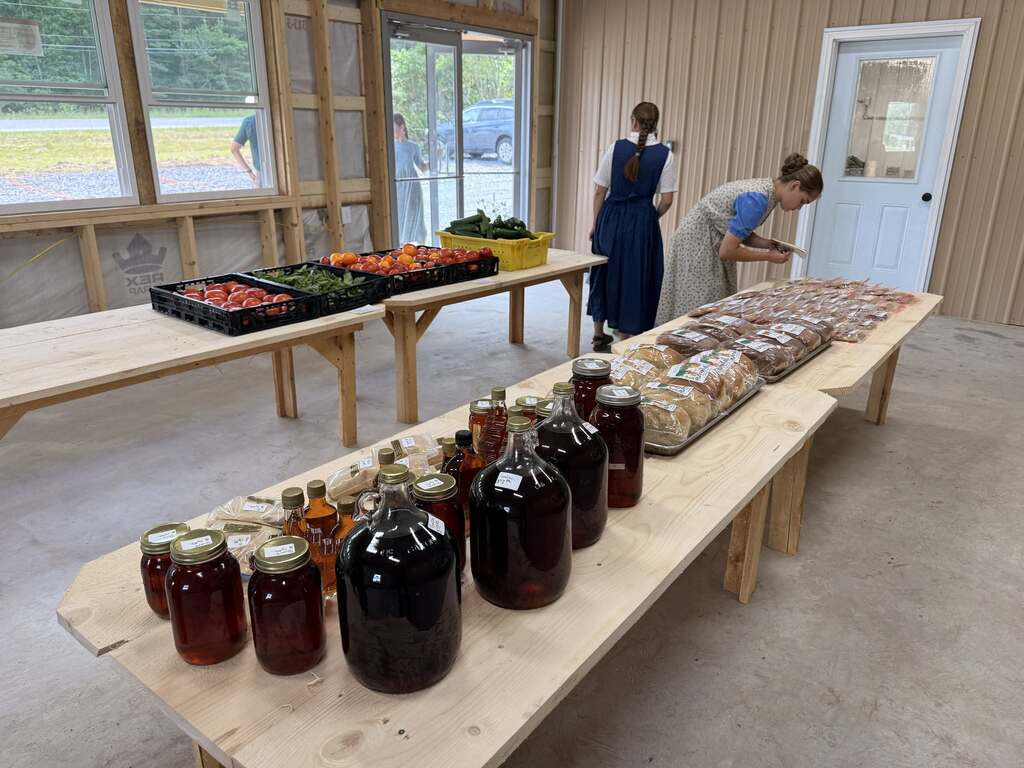
LoPro carries raw, unfiltered honey sourced from local apiaries across the North Country, so you can buy honey that's traceable back to a specific beekeeper and region rather than a blended commercial source.
Does raw honey need to be refrigerated?
No. Raw honey should be stored tightly sealed at room temperature in a cool, dry place. Refrigeration isn't necessary and can actually speed up crystallisation.
Why is raw honey cloudy?
Raw honey retains natural pollen, tiny air bubbles, and trace particles that filtering would normally remove. That cloudiness is a sign of minimal processing, not a flaw.


Comments (0)
There are no comments for this article. Be the first one to leave a message!